The spreadsheet goblin
I once walked across Dublin to save a bus fare, and put my whole portfolio where the fees were lowest from day one. Which optimisations are worth it, from someone who's lived both ends of the spreadsheet.
10 July 2026 · 4 min read
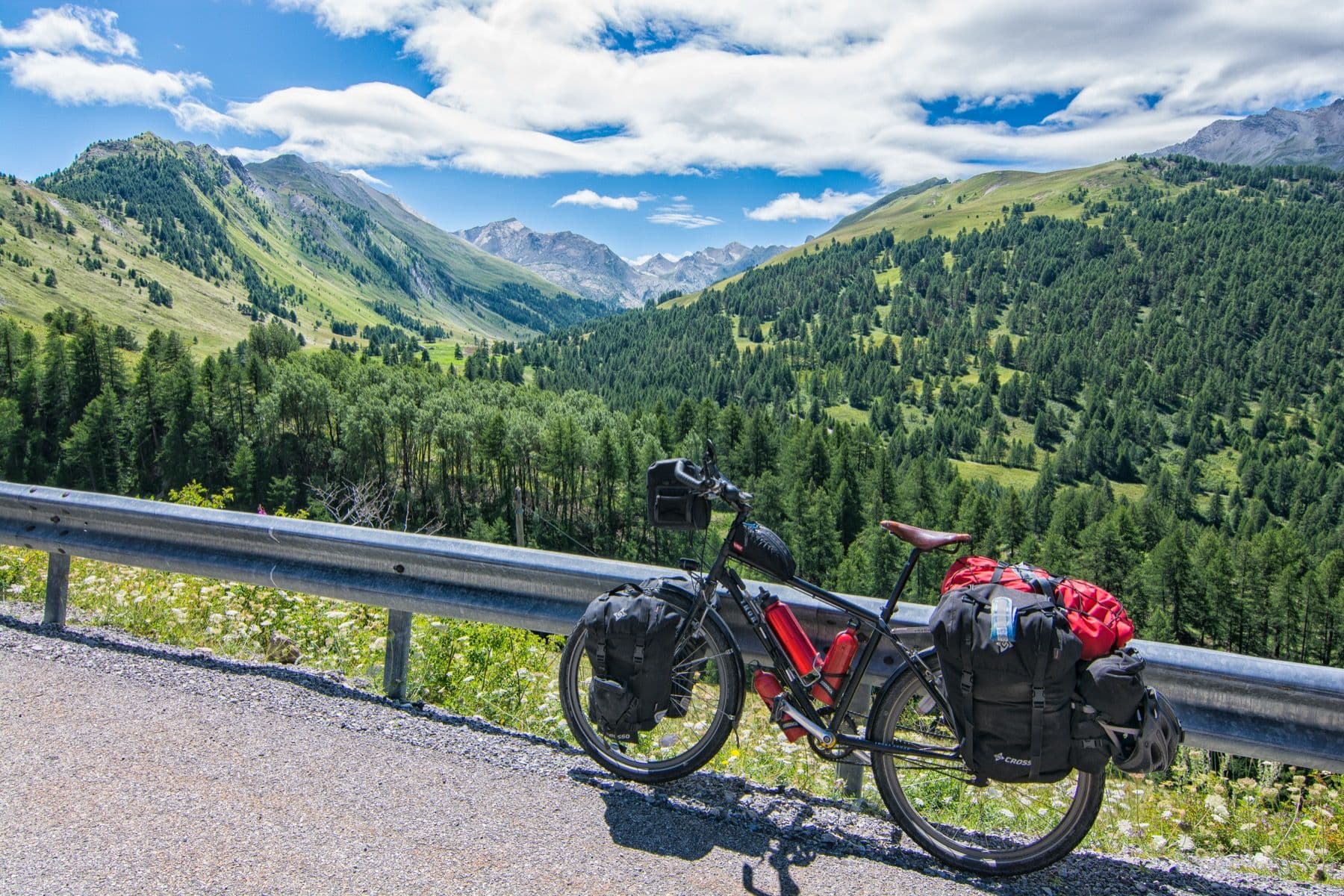
I once walked from the centre of Dublin to Dublin airport with a full backpack, down one of the most boring roads in Europe, to save a bus fare.
That wasn't even my record. I've gone thirsty next to shops full of bottled water, holding out for the next free tap. In the lean years I took it too far more than once.
So when I tell you frugality is a tool, I'm not preaching from the clean side of the room. I've been the goblin.
Frugality is a tool, not a religion. You use it when it gives you leverage. You drop it when it starts costing you the life you were trying to buy.
The strange part: the cheapest stretch of my life wasn't about saving at all. I once lived a whole month on €0 — for the fun of it, to test how far I could take it. A game. And some of the cheap habits were simply better, money aside: hitchhiking is the fastest transport in half the world if you don't have a car, and the most fun: you meet people you'd never plan to meet. I still do it when it's practical. Last time was a few years ago.
Then came the years I traded for a living, and they flip the story. I tracked everything: every bet, the whole bankroll, analysing, optimising. That was the entire game. My own spending? Untracked. I was too busy making money to hunt discounts. The optimisation went where the leverage was.
And now? People assume I track everything or nothing. Neither. Once a month I pull my statements into a money app, so I know what the year actually costs. No budget. The spending doesn't get out of control, so there's nothing to control. Aware of the costs, not stressed by them.
When I buy something, no spreadsheet fires. Five questions, none of them about the price. I've written that list down.
Here's where you expect me to mock the forum people arguing over the last 0.1% of a fund fee. I won't! That's the good kind of optimisation. A fund fee is a percentage of everything you own, every year, forever. Move your money once to a cheaper fund with the same returns and the saving scales with your whole net worth. I understand the people who switch. I didn't have to: I put mine in the cheap one from day one, and moving now for something slightly better would hand the taxman more than the fee saves.
The bad kind is an hour spent hunting a €5 discount on groceries, unless your time is genuinely worth less than €5. Or unless it's fun. I did plenty of it on the road, and for me it was sport. If it's sport, enjoy it. Just don't file it under strategy.
Fees, though: fees I still fight on principle. I've closed bank accounts over charges that shouldn't exist. Some habits survive because they're simply correct.
The clearest before-and-after is flights. I used to take whatever was cheapest and sleep in airports. There's a website, sleepinginairports.net, that maps the quiet corners and the power sockets, and I knew it well. Now I pay extra to fly in the middle of the day, and whatever it costs to fly direct: I don't lose sleep over a flight any more. And when a price is stupid, I don't negotiate with it: I pick a different destination.
Food went the other way entirely: no rules. I buy what I want and don't look.
What do I actually regret from the lean years? Not the walking, oddly. The tickets. I stood at the gates of places people cross the world to see and refused the €30 entry. Going back now costs far more than the ticket ever did. Cheap that you regret is the expensive option too.
The rule of thumb underneath all of it is old and boring: 80% of the result comes from 20% of the effort. Spend your obsession on that 20% (the fund fee, the rent, the income side) and let the rest of the detail go, unless the detail is your idea of fun. Get lost in the small stuff and you miss the bigger moves one level up.
So that's the report from both ends of the spreadsheet. The tool works. The religion costs. Which one have you been running, and what did the last thing you optimised actually buy you?
— Pablo